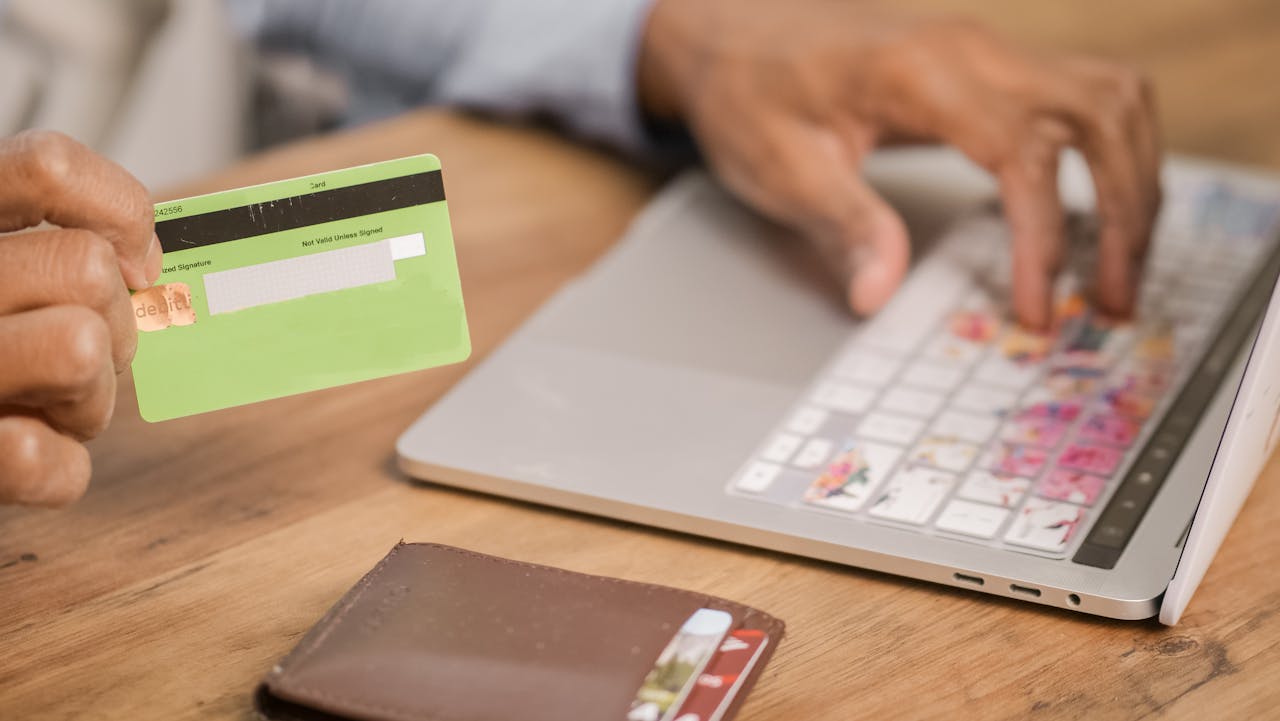

Latin America’s end-of-year holiday season, from Black Friday to Christmas, is a high-impact window for e-commerce. Consumers across Brazil, Mexico, Colombia, Peru, and other key markets shop more and more online, driven by mobile-first behavior and the widespread adoption of instant payment methods like Pix, SPEI, and the recently launched Bre-B.
For global merchants, this presents a unique opportunity to grow revenue without the need to establish a local entity. By understanding the e-commerce and payment habits that culminate in the most profitable time for merchants in Latin America, you can leverage the expectations of the 300% growth in e-commerce in Brazil alone. Read more and find out how to tailor your strategies and make the most of the holiday sales season in Latam:
Mobile-first behavior powering holiday shopping
Latin America is among the most connected regions globally, especially in Brazil and Mexico. Consumers are not only browsing but completing purchases via mobile, often influenced by social media and digital campaigns. Seasonal shopping peaks such as Black Friday, Cyber Monday, and Christmas generate massive traffic and conversion potential. Merchants who align their strategies with local habits can tap into this surge effectively.
The continuous rise of local payment methods makes that even more important: one of the biggest barriers to conversion in cross-border e-commerce is payment friction. Latin American shoppers prefer local payment methods they trust, such as Pix in Brazil, SPEI in Mexico, and PSE in Colombia — which are now mainstream, offering instant, secure, and cost-effective transactions.
Seamless market entry (even without a local entity)
Expanding into Latin America no longer requires the traditional route of setting up a local entity, a process that can be time-consuming, costly, and complex due to varying regulations, tax structures, and compliance requirements across countries. Instead, global merchants are increasingly leveraging cross-border infrastructure and digital tools to enter the market more efficiently.
Many Latin American countries have streamlined their digital commerce regulations to attract foreign investment. Brazil, Mexico, and Colombia, for example, have introduced frameworks that support cross-border transactions and digital onboarding, reducing the need for physical presence. And with a local payment partner such as PagSeguro, it is even easier for international merchants to offer localized checkout experiences without needing local entity infrastructure.
After all, Latin American shoppers are increasingly purchasing from global merchants: in Mexico, over one-third of online purchases come from international stores, while in Chile cross-border sales account for 19% of the e-commerce volume. This demand is fueled by limited local availability, price competitiveness, and the desire for variety.
Mobile-first commerce: With mobile penetration exceeding 85% in countries like Brazil, and 70% of online purchases completed via smartphones, merchants can reach consumers directly through mobile-optimized platforms and social commerce — bypassing traditional retail channels.
Localized UX and language: Offering checkout flows in local languages and currencies is no longer optional. It’s a conversion driver. Research shows that Latin American consumers are more likely to complete purchases when the experience feels native — from product descriptions to payment options.
Together, these trends enable a frictionless entry into Latin America’s e-commerce landscape. Merchants can test markets, scale quickly, and build trust with local consumers — all without the overhead of incorporation or physical infrastructure.
How to maximize holiday sales in Latin America
To succeed during the holiday season, merchants should localize their checkout flows — ensuring language, currency, and payment options match shopper expectations. Mobile optimization is essential, with fast-loading pages and intuitive UX. Social commerce is also key: partnering with local influencers can drive traffic and build brand credibility.
With PagSeguro, global merchants can tap into Latin America’s holiday ecommerce boom — quickly, compliantly, and without a local entity. The season is short, but the opportunity is massive. By aligning with local behaviors and offering trusted payment options, merchants can turn seasonal traffic into lasting growth.
Latin America’s holiday season is a golden opportunity — are you ready to seize it? With mobile-first shoppers, trusted local payment methods, and a booming cross-border e-commerce environment, now is the time to act. Explore how PagSeguro can help you enter Latin America seamlessly — no local entity required. Deliver localized experiences, accept popular payment methods, and grow your revenue during the most profitable time of the year: